Ingredients
Korean Skincare Ingredients Glossary: Heartleaf, Cica, Tea Tree and More
Korean skincare labels can be confusing. The same plant might show up as “heartleaf,” “Houttuynia Cordata Extract” and “어성초” (eoseongcho) depending on where you look. And every product claims to “soothe” or “balance” without saying how.
This glossary covers the ingredients in the products I actually use every day, as a 24-year-old Korean guy with oily-but-dry skin, large pores and redness. For each one, I’ll explain what it does in plain language and which of my products it’s in. I’m not a chemist or a dermatologist, so I’ve kept the explanations simple and linked the sources I used.
The Ingredients in My Routine
| Ingredient | Also listed as | What it does | Where I get it |
|---|---|---|---|
| Heartleaf | Houttuynia Cordata Extract, 어성초 | A soothing plant extract, very popular in Korea for sensitive and breakout-prone skin | Anua foam and cleansing oil, Goodal sun cream |
| Centella asiatica (cica) | Centella Asiatica Extract, Madecassoside, 병풀 | Calms irritation and supports the skin barrier | Bring Green cream |
| Tea tree | Melaleuca Alternifolia Leaf Extract | Plant extract used in products for oily, blemish-prone skin | Bring Green cream |
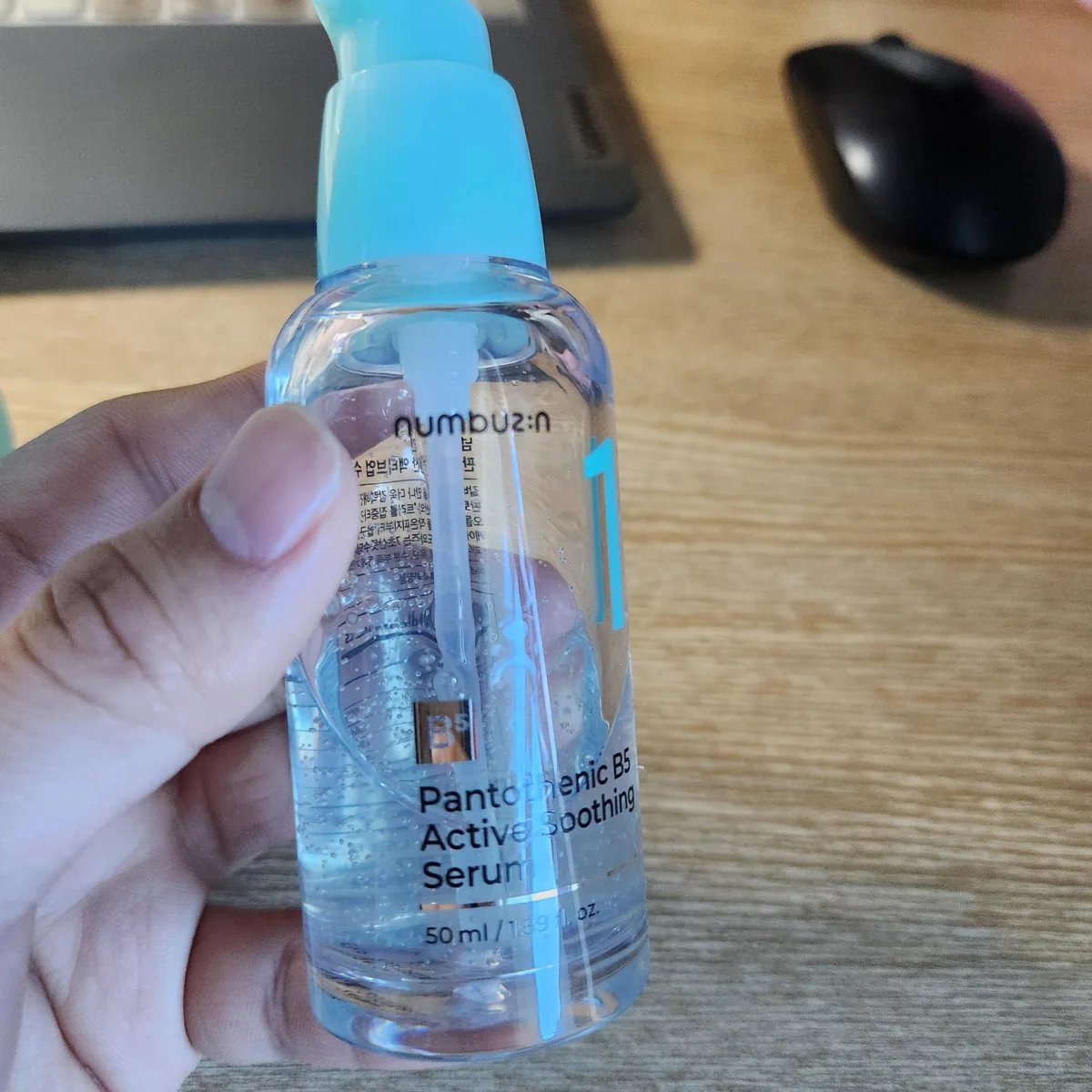
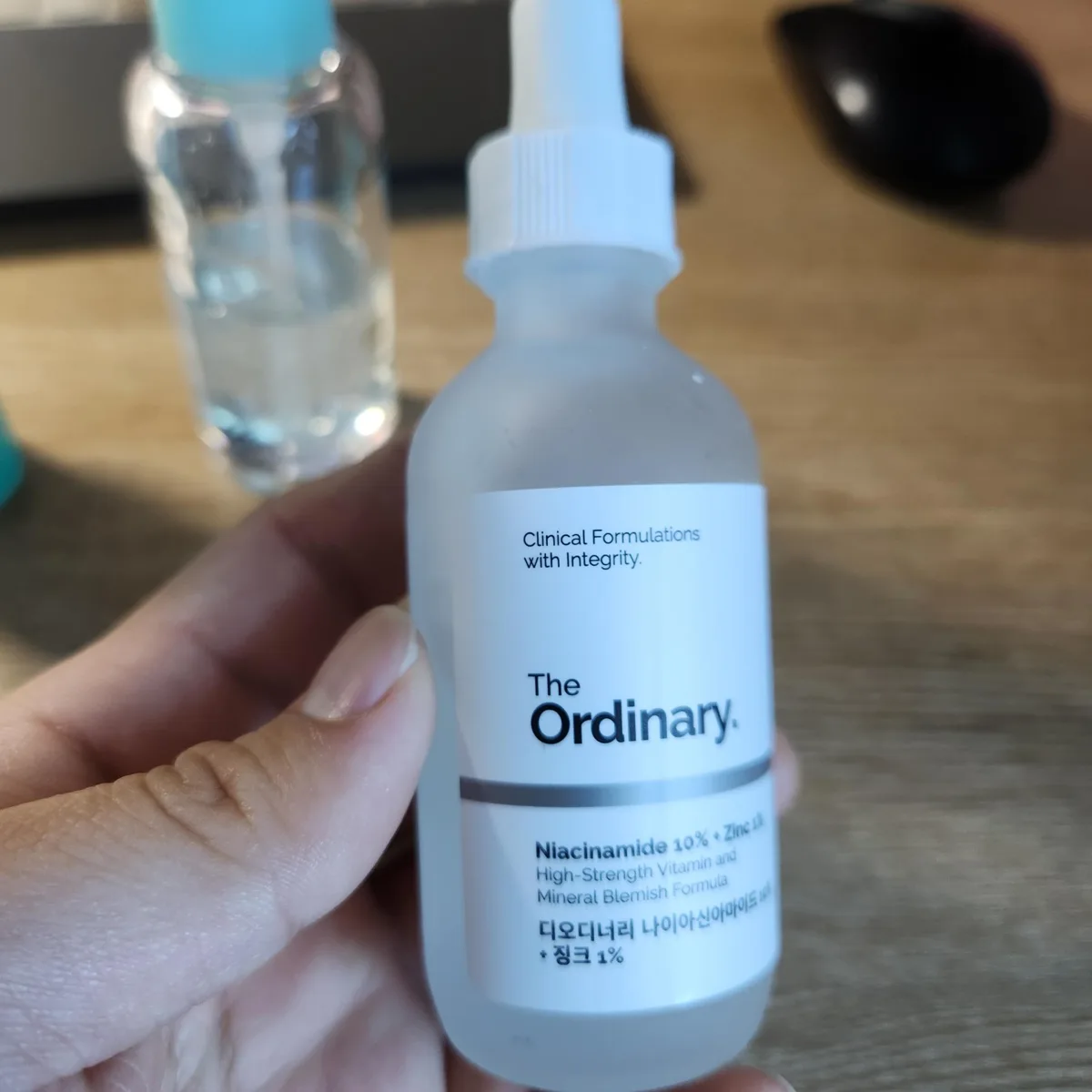
| Niacinamide | Vitamin B3 | Helps with the look of oil, pores and uneven tone | The Ordinary serum (10%), also in my numbuzin serum and OBgE lotion |
| Zinc | Zinc PCA | Paired with niacinamide in oil-control products | The Ordinary serum (1%) |
| Pantothenic acid, panthenol | Vitamin B5 | Panthenol hydrates and soothes; pantothenic acid is used in oil- and breakout-focused formulas | numbuzin serum, Dokdo toner (panthenol) |
| Salicylic acid | BHA | Oil-soluble acid that exfoliates inside the pore | Stridex Sensitive pads (0.5%), Anua foam |
| Hyaluronic acid | Sodium Hyaluronate | Draws water into the skin | numbuzin serum, Make p:rem milk |
| Ceramides | Ceramide NP | Lipids that are part of the skin barrier | Make p:rem milk |
| Deep sea water | Sea Water | Mineral-rich water; Round Lab’s comes from Ulleungdo, an island near Dokdo | Dokdo toner |
What I’ve noticed
- Heartleaf shows up in three of my products without me planning it. That’s how common it is in Korea right now.
- Niacinamide 10% doesn’t sting on my skin, but I don’t use it on nights I use salicylic acid pads.
- Salicylic acid: I keep the pads to about twice a week because my skin reddens easily.
The biggest change I’ve noticed isn’t from one ingredient, but from the routine as a whole. My tinted cover lotion used to sit on top of my skin, looking patchy and lifting in places. These days it goes on smoothly, absorbs quickly and looks like my own skin. I can’t say which product did it. Tinted products generally sit better on well-hydrated skin, so that may be part of it.
Combinations I Keep Apart
Most of these ingredients play well together. The one thing I’m careful about is stacking strong actives on reactive skin.
- Salicylic acid pads + niacinamide 10%: I use them on different nights. Many people combine them without problems; I just keep them on separate nights.
- Salicylic acid + freshly shaved skin: I shave in the morning and use the pads at night, so there’s always a gap.
- Salicylic acid + skipping sunscreen: exfoliated skin can be more sensitive to the sun, which is one more reason sunscreen is non-negotiable.
Other Ingredients You’ll See in Korean Stores
I haven’t used these myself yet, so I’m only giving the basics:
- Snail mucin (Snail Secretion Filtrate): a hydrating, soothing ingredient made famous by Korean brands.
- Rice (Oryza Sativa): common in Korean toners and sunscreens, marketed for brightness.
- Mugwort (Artemisia, 쑥): a calming plant extract, often in toners and masks.
- Propolis: a bee product used in nourishing serums.
- Retinol: a vitamin A ingredient for texture and aging. I plan to add it once my skin is calmer, and I’ll write about it then.
FAQ
Are “natural” plant extracts always gentler? Not necessarily. Plant extracts can irritate some people too. Patch-test anything new on a small area first.
Does a higher percentage mean better results? Not always. A higher percentage can also mean more irritation. Start low and see how your skin reacts.
How do I find an ingredient on a Korean label? Most Korean products sold abroad have an English INCI list on the back or the box. Ingredients are listed from highest to lowest concentration, at least for the ones above 1%.
To see how these fit together day to day, read my full routine.
This post is based on my personal experience and publicly available product information. It is not medical advice. If you have a skin condition, please see a dermatologist.
Sources: Round Lab 1025 Dokdo Toner ingredient list (Chemist Direct) · Bring Green Tea Tree Cica Soothing Cream (Skinsort) · numbuzin No.1 Pantothenic B5 serum (Cult Beauty) · Anua Heartleaf Quercetinol foam ingredients (BeyondRx) · Make p:rem cleansing milk ingredients (Superdrug) · Stridex Sensitive Pads 0.5% (dermfnd)